FORMWEFT
01
Business use cases
Clarify showroom, training, launch or operational tasks, and the corresponding audience.
SPATIAL
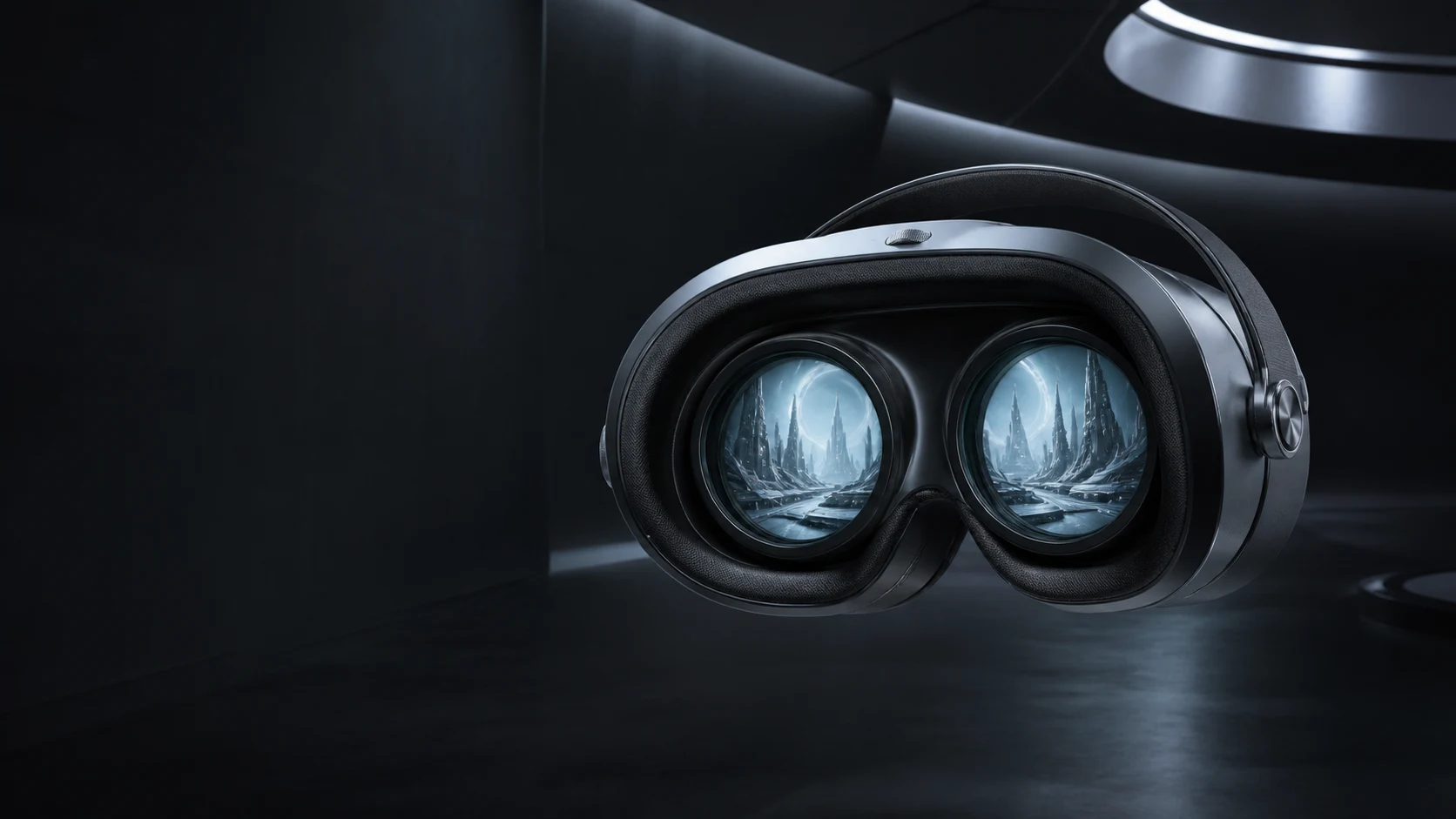
From spatial narrative, 3D assets and interactive prototypes, to digital companions, multiplayer interactivity and desktop, mobile, VR multi-device adaptation.
多端交付
First validate experience goals and core interactions, then expand asset scale, device coverage and backend operational capabilities.
Clarify showroom, training, launch or operational tasks, and the corresponding audience.
Validate movement, selection, triggering, feedback and task paths.
Establish standards for models, materials, animations, characters and updates.
Configure quality for desktop, mobile and VR devices, and integrate with the content backend.
Deliver spatial narrative, interactive prototypes, 3D asset standards, digital companion interactivity and multi-device performance adaptation.
Prepare usage scenarios, audience, venue or product materials, licensable assets, target devices and network conditions. Desktop, mobile and VR interactions should not be simple proportional scaling.
Validate one complete task path before producing scenes, models, materials and animations; integrate characters, content backend or necessary business data, and set quality and input strategies for different devices.
Check loading, movement, selection, triggering, feedback and exit flows on agreed devices; keep records of performance, text readability, dynamic reduction and backend content update tests.
Display-oriented twins and real-time operational twins have different scopes. Real-time sensors, multiplayer collaboration, hardware and external system integration must be separately confirmed; cannot claim real-time connectivity based solely on 3D display.
Yes, a mobile browser version can be provided based on project scope, with independently designed interactions and asset quality. VR headset interaction and performance need separate verification on specified devices.
Not necessarily. It can initially be for display with manual updates, or connect real-time data; whether real-time, refresh frequency, data sources and anomaly alerts must be written into the scope.
Agree on operational text, images, videos, hotspots or scene configurations to be managed via a backend; complex model and interaction logic changes usually still require engineering updates.
Describe the goals, current state, and expected timeline, and we will organize the next steps accordingly.